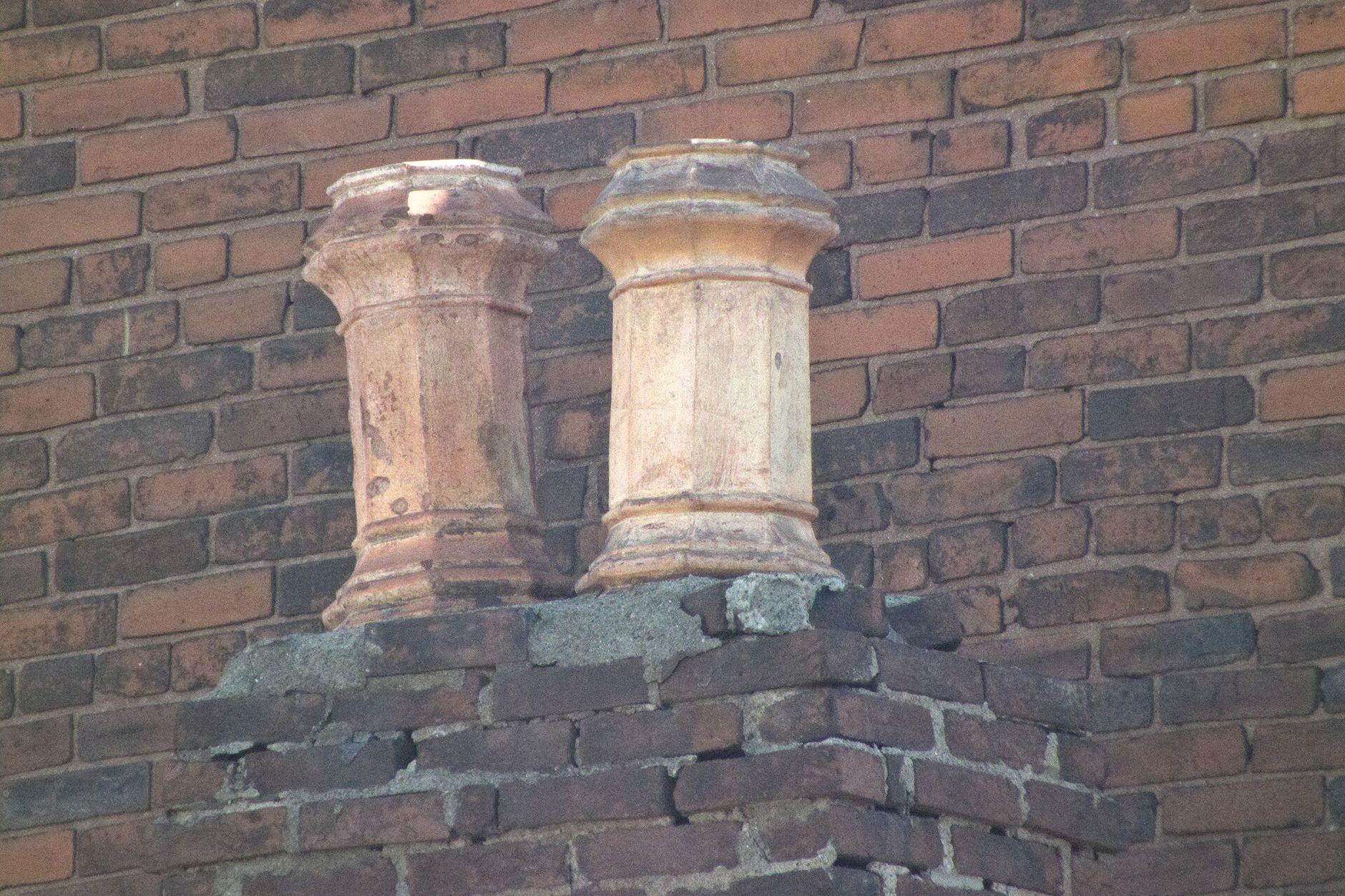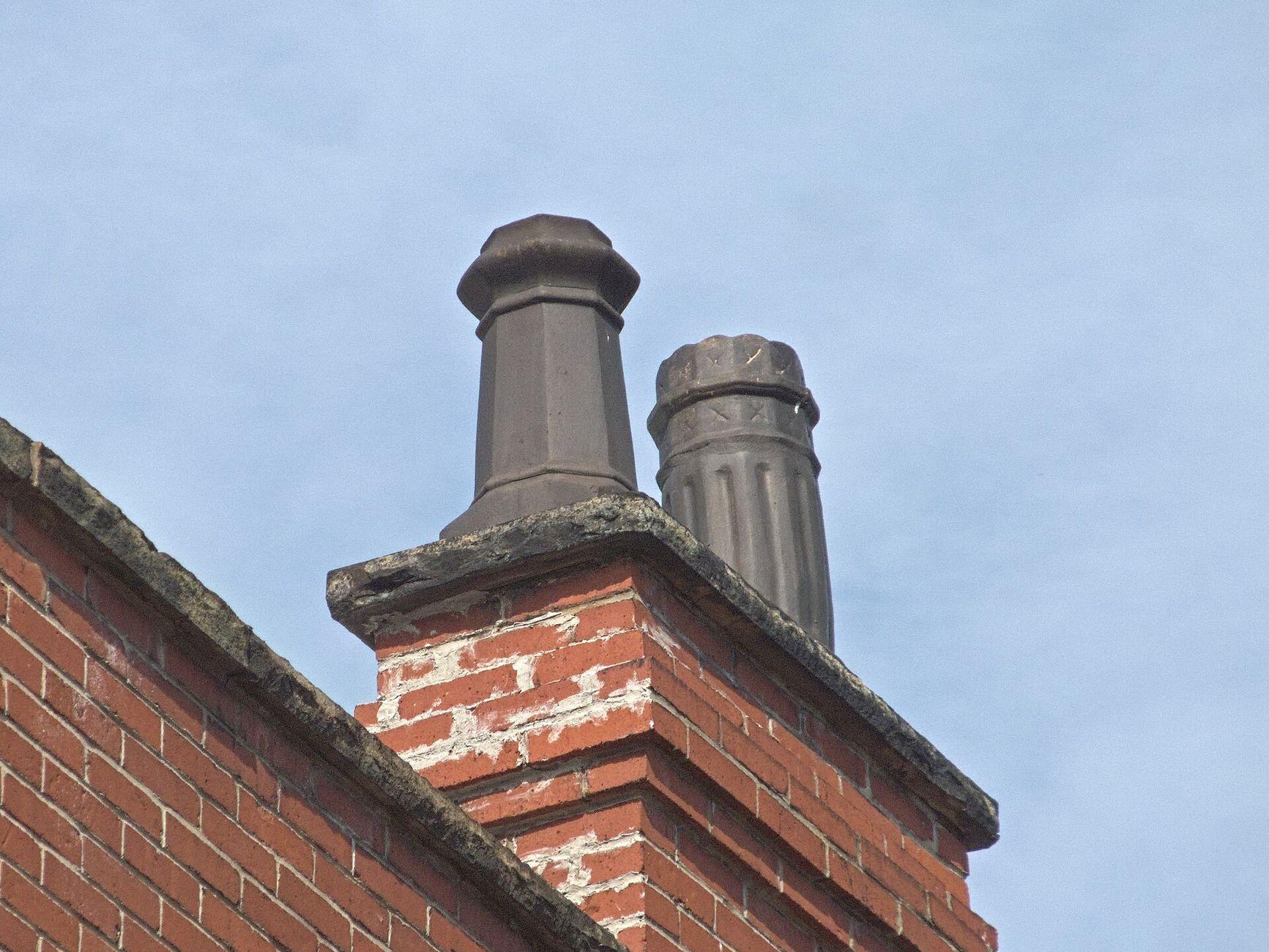
The finding that stops the conversation
On a camera inspection, most findings are small: a cap, some mortar, a damper that sticks. The one that stops a sale conversation is the flue itself. A clay tile split from top to bottom at twelve feet, a joint that has opened wide enough to see the brick behind it, a section missing altogether. The report marks it unsafe to use, and suddenly the buyer, the seller and both agents want to know what relining means and what it costs.
This post covers that finding on Monterey Park houses: what the footage shows, what the repair involves, how the scope is written for escrow and how the work is signed off.
Why a cracked flue matters
The flue is the only thing between hot exhaust and the brick, and the brick is the only thing between the flue and the house framing. Clay tile cracks from heat, from a chimney fire nobody noticed, from age, and from ground shaking. This part of the San Gabriel Valley has felt its share of that, from the 1987 Whittier Narrows earthquake onwards. Once a tile is cracked or a joint is open, heat and gases reach places they were never meant to, and in a wood fire the smoke can carry sparks with it.
The fireplace may still draw well. That is what makes the finding hard for owners to accept. Nothing looks wrong from the room, and a seller who has burned fires every winter without trouble can feel the report is overstating things. The footage settles that argument better than any explanation, which is why we hand it over with every report.
What the footage shows
Our report marks each problem in the flue by its height above the damper and attaches a still from the video. A typical liner finding reads like this: tile cracked through at nine feet; joint open at thirteen feet; tile section displaced at sixteen feet. With the height and the still, anyone can scroll the video to that point and see it for themselves, including another contractor bidding the work.
The repair options in general terms
There are a few ways to restore a sound flue, and the footage decides which ones fit:
- A stainless steel liner. A metal pipe sized to the appliance runs the full height of the chimney inside the old tile, with a cap at the top. This is the most common answer for wood fireplaces, gas inserts and furnace vents.
- Replacing tile sections. Where damage is confined to the top of a stack that needs rebuilding anyway, new tile can go in as the brick goes back up.
- A poured or coated lining. Some flues suit a cast lining formed inside the old one. It depends on the shape and condition of the existing passage.
Which one fits also depends on how the fireplace will be used. A buyer planning a gas insert needs a liner sized for that appliance, not for the old wood fire. Our liner installation page sets out the options in more detail.
How the figure is set
Liner work has no list price, because flue height, the size of the passage, the condition of the smoke chamber and the appliance at the bottom all change the job. Each relining gets a written figure tied to its finding number. Things that move that figure:
- The height of the stack and how easy the roof is to work
- Whether the old tile is straight enough to take a liner without removal
- Whether a gas insert or other appliance is being connected at the same time
- Whether the crown or cap has to be rebuilt to seal the new top
Related items often appear on the same scope. When a buyer is converting, that means a gas insert from our list, $2,650 to $5,250. A cap is quoted after we measure.
Writing the scope for escrow
A liner scope on a sale reads as a list each side can check against the report: the finding numbers it fixes, the liner type and size, the length, the top and bottom connections, any insulation, and the price. The party paying approves it in writing. If the parties choose a credit instead, the same scope sets the credit figure, and the buyer can hand it to any contractor after closing.
When the work is finished, a camera pass down the new liner goes into the file with completion photos. Some cities require a permit for relining or for connecting a new appliance; where one applies, we note it on the scope so the sign-off is part of the plan, not a surprise.
Liner, rebuild, or both
A cracked flue sometimes sits inside a stack that is also failing above the roof: loose brick, a broken crown, mortar washed out. In that case the scope may pair a rebuild of the top with relining below it, and the order matters. The report sets out which finding drives which repair, so the buyer and seller can price them separately if they want to settle one by repair and the other by credit. The broader repair picture is on our up to code repairs page.
Getting the scope written
If your Monterey Park sale has a flue finding on the table, the next move is a written scope with a figure. Use the contact page to send us the address, the finding numbers from the report and the names that should receive the scope.
Put Your Own Chimney on Record
Arnett documents the chimney at your address in a numbered file and sends it to each party you name. Crews leave Monterey Park for Montebello, Pico Rivera, Downey, South Gate and the towns beyond.