
The stain nobody saw at the showing
It often happens like this. The house went into escrow in a dry month. Then the first real winter storm comes through Monterey Park, the buyer does a walk-through, and there is a brown mark on the ceiling beside the fireplace wall, or the attic insulation near the stack is damp. Now the chimney is a live issue with a deadline attached.
A leak mid-escrow needs three things fast: a source, a written scope, and a figure both sides can agree on. Guessing at any of them leads to a repair that fails at the next storm, after the keys have changed hands.
Where chimney water gets in
A chimney has several weak points, and a stain inside rarely sits directly below the one that failed. Water can travel along brick, framing or roofing before it shows. The usual entry points:
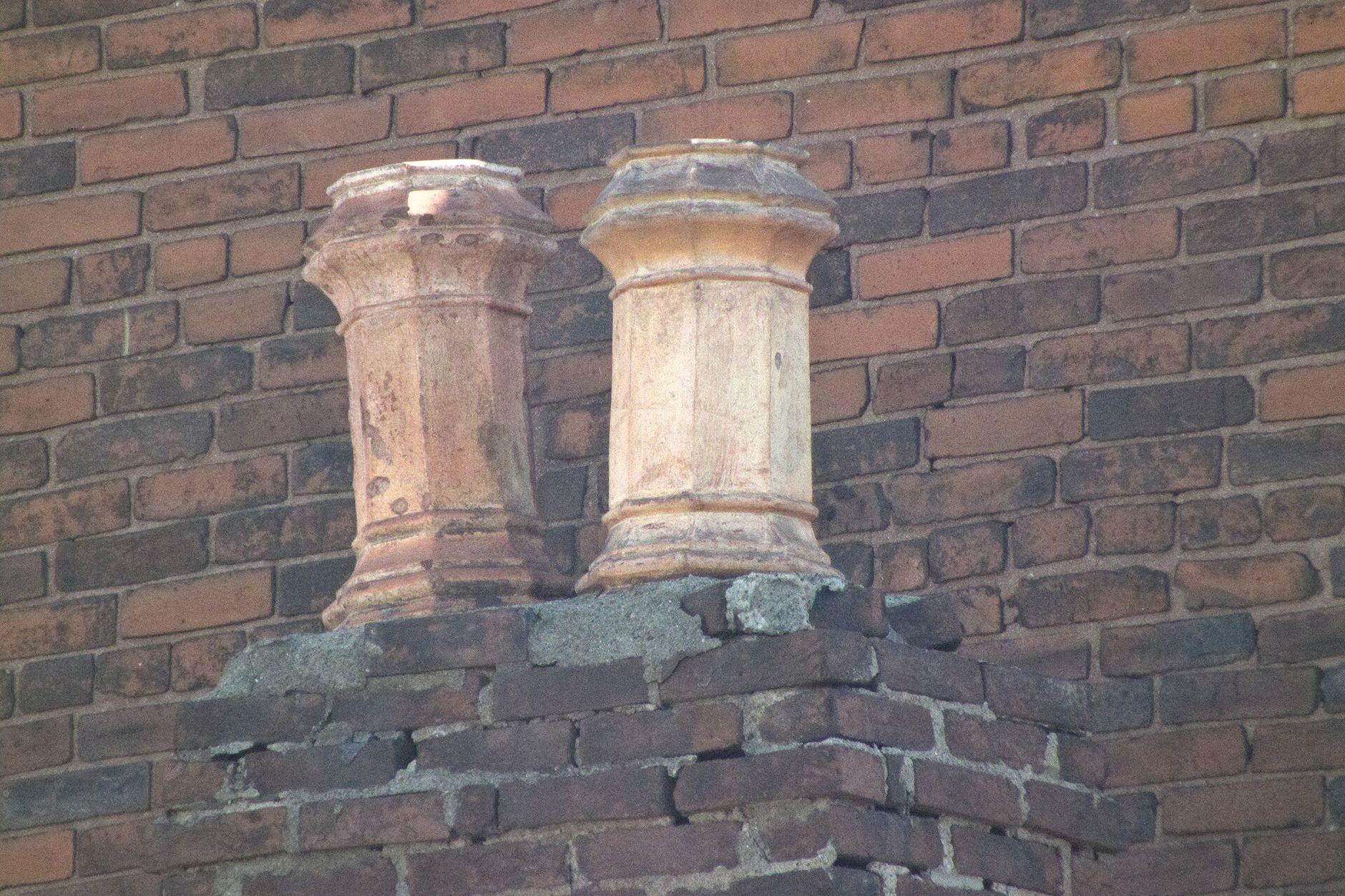
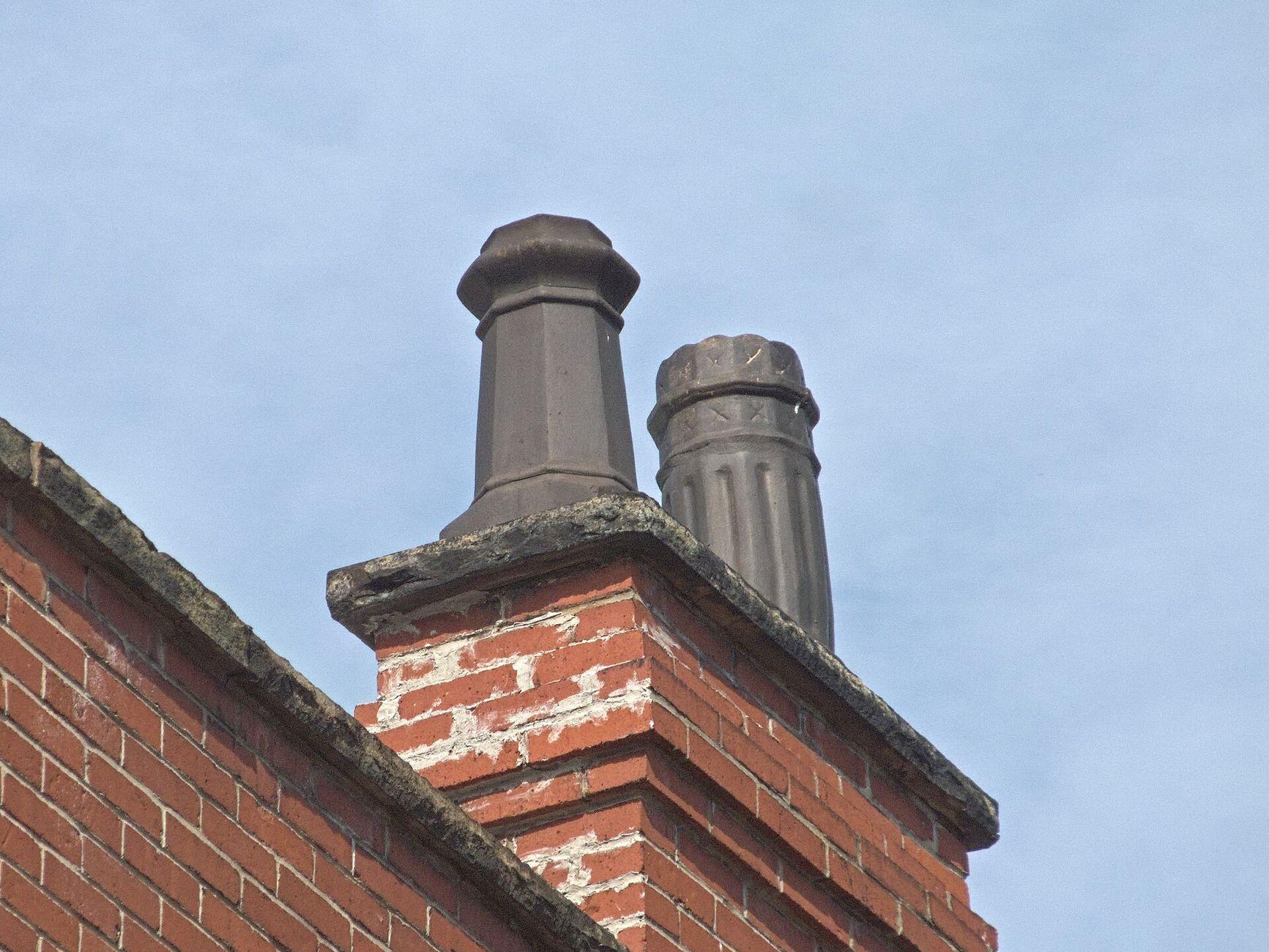
- The top. An open flue with no cap, or a cap whose lid has rusted through, lets rain fall straight in.
- The crown. The concrete slab around the flue tile cracks with heat and age, and water soaks into the brick below.
- The roof line. The metal that seals the joint between brick and roofing lifts, rusts or was sealed only with caulk.
- The brick itself. Worn mortar joints and porous brick take on water in a long storm.
- The high side of a wide stack. Where nothing splits the runoff, water and debris collect against the brick and find the weakest seam.
- A framed chase. On houses with a factory fireplace, the metal top of the box can rust and drain into the framing.
How we find it
The Level 2 inspection is where tracing starts: the camera shows whether water is reaching the inside of the flue, the roof check shows the crown, cap and metal, and the attic check shows where the wet framing is. Where those three do not agree, we test the likely entry points one by one with a hose and note which one produces water inside. That way the scope names the source, not a guess.
For a sale, the finding is written so both sides can see the reasoning: where the stain is, which entry point it traces to, and what the fix is. If the inspection already happened and the stain appeared afterwards, we add the tracing visit to the same report so the file stays in one place.
What leak work costs
Finding the source and stopping the water costs $525 to $3,150 with us. The low end is a single source with a simple fix, such as resealing metal at the roof line or setting a cap on an open flue. The biggest job is a leak with more than one entry point, or one where the crown, the metal and the brick all need work at once.
Other figures from our list that come up on leak jobs:
- A peaked diverter on the uphill side of a broad stack: $420 to $950
- The diverter together with all new metal at the roof line: $635 to $1,600
A cap over an open or rusted flue comes up as well. It is quoted after we measure.
Crown rebuilding, chase top replacement and masonry repair have no list price. Each is written as a separate line with its own figure once we have seen how much is involved.
Ask for a leak figure on your house
Fix before close, or credit
A leak sits in the middle of the credit question. Small, well defined sources such as a missing cap or failed sealant at the roof line are often quicker to fix than to argue over. A leak with several sources, or one tied to a crown that needs rebuilding, may suit a credit so the buyer can manage the work after closing. Our post Credit or Repair for a Chimney? sets out how each path reads on paper.
Either way, the buyer should know about any water damage inside the house. Wet framing or insulation near the stack is noted in the report so it can be dealt with alongside the chimney work rather than discovered later.
The paperwork both sides receive
- The finding, with photos of the stain, the source and the path between them
- A scope listing each entry point and its fix, with the price
- Completion photos from the same angles once the work is done
- A note on any interior damage seen during tracing
The report goes to the people named at booking, which on a sale usually means the buyer, both agents and whoever is paying for the work.
Leaks and the weather here
Monterey Park sees the bulk of its yearly rain arrive in a few winter storms, so a chimney may stay dry for months before one of them finds the weak point. That is why a dry season inspection can miss a leak that a storm reveals a few weeks later. It is also why we test the entry points with water rather than wait for the next rain. Full details of the repair are on our chimney leak repair page, and sealing the brick afterwards is covered on our waterproofing page.
Getting the figure in writing
A wet ceiling during escrow is easier to settle once a written source and price exist. Reach us through the contact page with the Monterey Park address, where the water shows up inside, and who should receive the scope.
Put Your Own Chimney on Record
Arnett documents the chimney at your address in a numbered file and sends it to each party you name. Crews leave Monterey Park for Montebello, Pico Rivera, Downey, South Gate and the towns beyond.